The Office's Enduring Cringe Humor: A Deep Dive into Michael, Jim & Dwight
Few television series have etched themselves into the fabric of pop culture quite like The Office (U.S.). This American mockumentary sitcom, adapted by Greg Daniels from the acclaimed British series, invited millions of viewers into the mundane yet utterly absurd world of the Dunder Mifflin Paper Company's Scranton branch. Premiering in 2005, it ran for nine seasons, chronicling the daily lives, interpersonal dynamics, and often excruciatingly awkward moments of its beloved characters. While The Office is celebrated for its heartfelt relationships and sharp satire of workplace culture, its most distinctive comedic signature is undoubtedly its masterful deployment of cringe humor, largely spearheaded by its iconic trio: Michael Scott, Jim Halpert, and Dwight Schrute.
The series, which garnered widespread critical acclaim and multiple Emmy Awards, including Outstanding Comedy Series, perfected the art of making audiences squirm and laugh simultaneously. It’s a delicate balance that few shows achieve, turning discomfort into comedic gold. From the regional manager's misguided attempts at camaraderie to the epic pranks that defined a rivalry, the show's ability to mine humor from awkwardness is central to its lasting appeal.
Michael Scott: The Unrivaled King of Cringeworthy Comedy
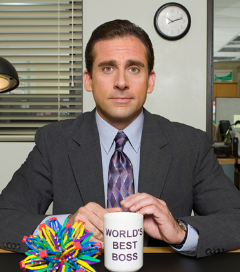
At the very heart of The Office's cringe empire stands Michael Scott, brilliantly portrayed by Steve Carell. As the regional manager of Dunder Mifflin Scranton, Michael is a character driven by an insatiable need for approval and a desperate desire to be loved by his employees. His intentions are often pure – he genuinely sees his staff as family – but his execution is consistently disastrous. This fundamental disconnect between intent and impact is the wellspring of nearly all his cringe-inducing behavior.
- Social Blind Spots: Michael's inability to read a room, understand social cues, or recognize boundaries is legendary. Whether it's an inappropriate joke at a diversity training session, an unsolicited hug, or sharing deeply personal information with a documentary crew, his lack of self-awareness creates peak awkwardness.
- Desire for Friendship: He constantly conflates professional relationships with personal ones, leading to bizarre attempts at friendship that involve forced fun, misguided gifts, and an unwavering belief that he's the "cool boss." This often manifests in cringey team-building exercises or uncomfortable attempts to participate in employee conversations.
- Misguided Leadership: Beyond social gaffes, Michael's management style itself is a goldmine of cringe. His spontaneous declarations, inability to make tough decisions, and tendency to prioritize personal feelings over professional responsibilities often leave his staff, and viewers, squirming in their seats.
What makes Michael's cringe so compelling is the occasional glimpse of vulnerability or genuine care beneath the layers of awkwardness. Viewers might cover their eyes during his most embarrassing moments, but they rarely truly hate him. This nuanced portrayal of a well-meaning but utterly inept individual grounds the humor in something relatable, allowing us to laugh at the discomfort without losing empathy for the character.
Jim & Dwight: The Office Rivalry Built on Cringe and Pranks
While Michael delivers broad, often public cringe, the dynamic between salesman Jim Halpert and his rival, Dwight Schrute, offers a different flavor: a more sustained, intimate, and often delightfully petty brand of awkward humor. Their relationship is one of the foundational pillars of The Office's comedic structure, evolving from a simple office rivalry to a complex, grudging friendship punctuated by elaborate pranks.
Jim Halpert, often depicted as the audience surrogate, copes with the monotony of office life by orchestrating an unending series of pranks against his diligent, eccentric, and perpetually gullible coworker, Dwight. These pranks are a prime source of cringe, especially for Dwight, whose rigid adherence to rules and his own peculiar worldview makes him the perfect, unsuspecting target. Consider iconic moments like:
- Dwight's Stapler in Jell-O: A classic, simple act of sabotage that sets the tone for their relationship.
- Asian Jim: Jim hiring an actor to pretend to be him, causing Dwight to question his sanity.
- The Future Dwight: Jim sending Dwight faxes from "Future Dwight," warning him of impending doom.
The humor here comes from Dwight's earnest, often literal reactions to Jim's increasingly absurd schemes, and Jim's silent glances at the camera, inviting the audience to share in his amusement. While Jim's pranks are often harmless, they occasionally veer into territory that makes viewers question his motivations, adding a layer of subtle cringe to his character as well. The Office: How Dunder Mifflin's Mockumentary Defined Workplace Comedy truly captured how these character dynamics helped define the genre.
Dwight, with his beet farm, martial arts prowess, and unwavering loyalty to Michael (despite being his frequent victim), is a character whose quirks naturally lead to awkward situations, even without Jim's intervention. His intensity, literal interpretation of rules, and social awkwardness provide a constant undercurrent of cringe that balances Jim's more playful approach. Their comedic chemistry is undeniable, creating a unique blend of absurdity and relatability that makes their interactions some of the most memorable in the series.
The Mockumentary Format: An Unflinching Lens on Awkwardness
A crucial, often underappreciated, element in amplifying The Office's cringe humor is its mockumentary format. The conceit of a documentary crew filming the daily operations of Dunder Mifflin is not merely a stylistic choice; it's a comedic engine. By presenting events as if captured by an unseen camera crew, the show immerses viewers directly into the awkward situations, making the discomfort more palpable.
- Direct Eye Contact: Characters frequently break the fourth wall, looking directly into the camera with exasperated sighs, knowing glances, or desperate pleas. These reactions, particularly from Jim, Pam, and Oscar, validate the audience's own feelings of awkwardness, making us feel like co-conspirators in the observation.
- Unfiltered Moments: The "documentary" captures candid moments that a traditional sitcom might gloss over – lingering shots on uncomfortable silences, an employee's muttered aside, or Michael's obliviousness playing out in real-time. This unfiltered presentation heightens the sense of realism and, consequently, the cringe.
- Confessional Interviews: The one-on-one interviews allow characters to voice their internal thoughts and frustrations, often contrasting sharply with their outward behavior. This juxtaposition frequently reveals the true extent of a situation's awkwardness or a character's delusion, adding another layer to the humor.
The mockumentary style doesn't just show us the cringe; it makes us feel like we're right there in the room, witnessing it unfold. This intimacy with the characters and their discomfort is key to why the show's unique brand of humor resonates so deeply. To learn more about how this format influenced the show's reception, consider reading From British Adaptation to Emmy Wins: The Office's Cultural Reign.
The Enduring Appeal: Why We Love to Cringe
Why does The Office's cringe humor resonate so powerfully and endure years after its finale? The answer lies in its perfect blend of relatability, catharsis, and underlying heart.
- Relatability: Everyone has experienced awkward social situations, whether in the workplace or personal life. Michael's blunders, Jim's playful frustrations, and Dwight's rigid adherence to his own peculiar logic mirror real-life interactions, making the humor profoundly relatable. We laugh because we've been there, or know someone who has.
- Catharsis: Laughing at someone else's discomfort can be cathartic. It allows us to process our own anxieties about social gaffes in a safe, humorous space. The show provides an outlet for the vicarious experience of awkwardness without having to endure it ourselves.
- Balance with Heart: Crucially, The Office never relies solely on cringe. It masterfully balances the awkwardness with genuine moments of warmth, friendship, and romance. The cringe often serves to highlight the characters' humanity and vulnerability, making their eventual growth and emotional breakthroughs all the more impactful. We cringe at Michael, but we also feel for him. We laugh at Dwight, but we respect his unwavering principles.
The show's legacy is undeniable, influencing countless subsequent workplace comedies and proving that humor derived from discomfort can be both hilarious and deeply human. Its ability to turn the mundane into the magnificent, and the awkward into the iconic, ensures that Michael Scott, Jim Halpert, and Dwight Schrute will continue to induce winces and guffaws for generations to come.
In conclusion, the enduring cringe humor of The Office is a complex tapestry woven from the distinct personalities of Michael Scott, Jim Halpert, and Dwight Schrute, all expertly magnified by its mockumentary format. It's a testament to the show's brilliant writing and impeccable performances that it managed to make us wince, laugh, and ultimately fall in love with a group of paper company employees. From Michael's misguided attempts to be a friend, to Jim's incessant pranks on Dwight, the show perfectly captured the everyday awkwardness of office life, proving that sometimes, the most uncomfortable moments are truly the funniest.