The Office: Dunder Mifflin's Mockumentary Masterpiece and Workplace Comedy Revolution
In the vast landscape of television comedy, few shows have left an indelible mark quite like The Office. More than just a sitcom, this American mockumentary series, which chronicled the day-to-day absurdities of a paper company in Scranton, Pennsylvania, redefined an entire genre: workplace comedy. From its humble beginnings as an adaptation of a British cult hit, The Office evolved into a cultural phenomenon, teaching us to find humor, and sometimes profound humanity, in the most mundane corners of corporate life.
Premiering on NBC on March 24, 2005, and concluding its nine-season, 201-episode run on May 16, 2013, The Office invited viewers into the fictional Dunder Mifflin Paper Company. It masterfully blended cringe humor with heartfelt moments, offering a mirror to the often-baffling world of cubicles, sales quotas, and obligatory team-building exercises. This unique blend wasn't just entertaining; it set a new standard for how television could portray the professional world.
The Mockumentary Magic: A Window into Dunder Mifflin
What immediately set The Office apart was its groundbreaking use of the mockumentary format. Unlike traditional sitcoms with laugh tracks and clear fourth-wall boundaries, The Office presented itself as if a documentary film crew was genuinely observing the employees of Dunder Mifflin. This stylistic choice, spearheaded by creator Greg Daniels in his adaptation of Ricky Gervais and Stephen Merchant's original British series, was pure genius.
The shaky camera work, the direct-to-camera confessionals, and the characters' knowing glances at the unseen film crew immersed viewers directly into their world. We weren't just watching; we were eavesdropping, becoming silent participants in their everyday lives. This format allowed for:
- Unfiltered Reactions: Characters could react to an awkward situation or a misguided statement from their manager, Michael Scott, with a look directly at the camera, sharing their internal monologue without uttering a word.
- Enhanced Realism: Despite the often-exaggerated humor, the mockumentary style lent an air of authenticity, making the characters and their predicaments feel remarkably real and relatable.
- Cringe Amplification: Michael Scott's inappropriate jokes or ill-conceived schemes were made exponentially more uncomfortable (and hilarious) when seen through the lens of a documentary, highlighting the raw, unedited awkwardness.
This innovative approach made the mundane exciting and the absurd believable, establishing a blueprint for countless subsequent comedies that sought to capture the messy, human reality of everyday life.
Unforgettable Characters: The Heartbeat of Scranton
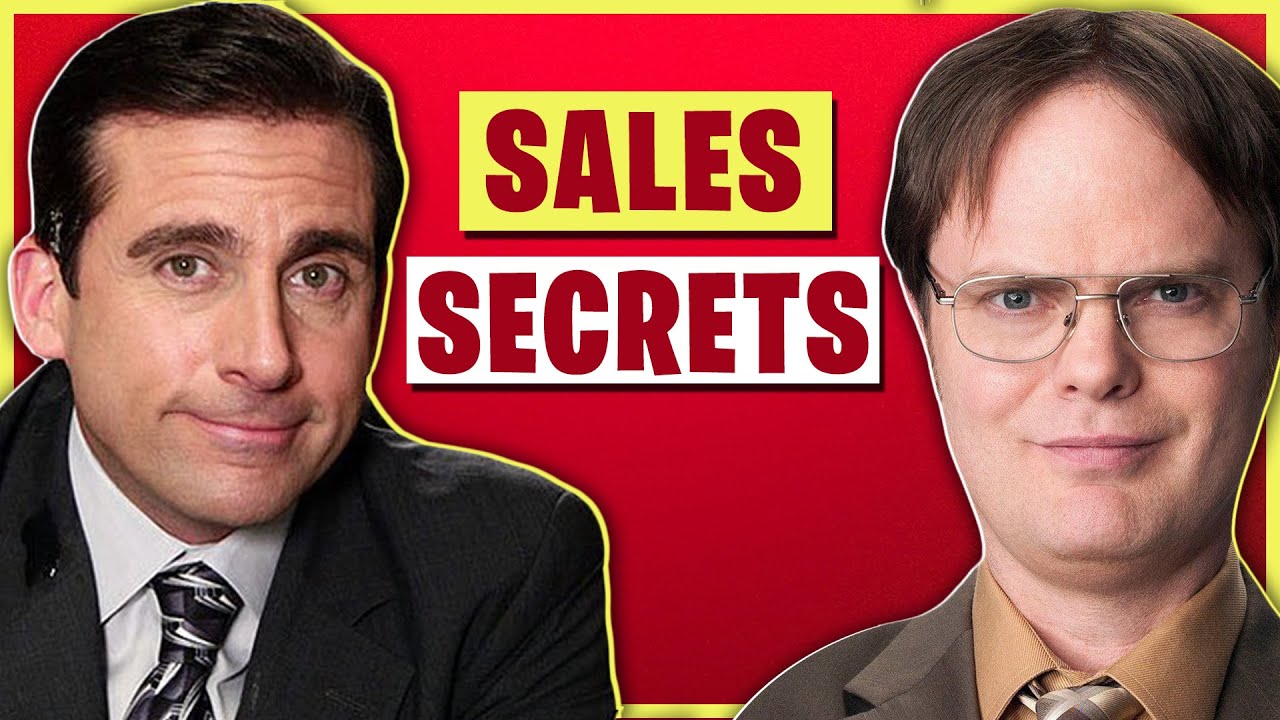
While the mockumentary format was the show's skeleton, its flesh and blood were undoubtedly its rich tapestry of characters. Led by the inimitable Michael Scott (Steve Carell), the bumbling regional manager whose misguided attempts at being a friend and a comedian frequently led to disastrous yet hilarious outcomes, the Dunder Mifflin branch was a microcosm of society.
Michael's character is a masterclass in comedic writing. His deep-seated need to be loved often clashed with his complete lack of self-awareness, making him simultaneously endearing and exasperating. His journey from an incompetent boss to someone capable of genuine growth formed a significant emotional arc of the series. Carell's portrayal was so iconic it earned him multiple Golden Globe wins, solidifying Michael Scott as one of television's greatest comedic figures.
Beyond Michael, the ensemble cast brought to life a spectrum of personalities that resonated deeply with audiences:
- Jim Halpert (John Krasinski): The charming, often sarcastic salesman who coped with boredom through elaborate pranks, primarily targeting his desk-mate.
- Dwight Schrute (Rainn Wilson): The eccentric, beet-farming Assistant (to the) Regional Manager, known for his rigid adherence to rules, unwavering loyalty to Michael, and a rivalry with Jim that produced some of the show's most iconic moments.
- Pam Beesly (Jenna Fischer): The mild-mannered receptionist whose evolving relationships, particularly with Jim, formed the emotional core of the series. Their slow-burn romance became a central narrative, grounding the show's zanier elements in relatable human connection.
The interactions between these characters, from the playful rivalry of Jim and Dwight to the blossoming love story of Jim and Pam, created a dynamic workplace environment that felt incredibly authentic. The supporting cast, including Oscar, Angela, Kevin, Phyllis, Stanley, and Creed, each contributed their unique quirks, making Dunder Mifflin feel like a real office filled with distinct individuals. For a deeper dive into the characters who made us laugh and cringe, explore the article on Michael Scott, Jim & Dwight: The Office's Enduring Cringe Humor.
Beyond Laughter: Satire, Relatability, and Cultural Impact
The Office was more than just a source of laughs; it was a sharp, satirical mirror reflecting the absurdities of modern workplace culture. It brilliantly highlighted the mundane aspects of corporate life – the endless paperwork, the tedious sales calls, the forced team-building exercises – and extracted profound humor from them. The show critiqued the declining paper industry, the often-incompetent middle management, and the universal experience of feeling trapped in a job. Its genius lay in finding the extraordinary in the ordinary.
The series received widespread critical acclaim, boasting an impressive 81% average Tomatometer score on Rotten Tomatoes and consistently high viewership, often peaking at over 9 million viewers per episode. Its critical success translated into numerous accolades, including 42 Primetime Emmy Award nominations and five wins, notably the Outstanding Comedy Series award for its second season in 2006. These awards solidified its standing as a comedic powerhouse and a critical darling.
Its influence on subsequent workplace comedies is undeniable. Shows like Parks and Recreation (also co-created by Greg Daniels), Brooklyn Nine-Nine, and countless others have drawn inspiration from The Office's character-driven humor, mockumentary style, and ability to balance humor with genuine emotional depth. The show's legacy endures through consistent syndication, streaming availability on Peacock, and a devoted global fanbase that continues to discover and rewatch its iconic moments.
Practical Takeaways from Dunder Mifflin
The Office offers more than just entertainment; it subtly imparts lessons about workplace dynamics:
- Embrace Your Colleagues' Quirks: Every office has its Dwights and its Michaels. Learning to navigate these personalities, and even find humor in them, is crucial.
- The Power of Camaraderie: Despite the pranks and conflicts, the Dunder Mifflin team genuinely cared for each other, illustrating the importance of positive relationships in the workplace.
- Recognizing (and Avoiding) Bad Leadership: Michael Scott is a cautionary tale, demonstrating how not to manage a team and the impact of a leader's personality on morale.
- Finding Joy in the Mundane: Jim and Pam's story, and even Dwight's dedication, shows that personal fulfillment and connection can be found even in the most seemingly uninspiring jobs.
The enduring appeal of The Office is a testament to its timeless humor and relatable characters. Its cultural reign, marked by critical success and a lasting impact on television, is explored further in From British Adaptation to Emmy Wins: The Office's Cultural Reign.
Conclusion
The Office didn't just entertain; it fundamentally reshaped our perception of workplace comedy. By perfecting the mockumentary format, creating a cast of instantly recognizable and beloved characters, and fearlessly delving into the awkward, hilarious, and often heartwarming realities of office life, Dunder Mifflin Paper Company transcended its fictional walls. It became a cultural touchstone, proving that profound comedy and genuine human connection can indeed be found amidst the fluorescent lights and cubicle walls, leaving an indelible legacy that continues to resonate with audiences around the world.